
Mapping the Landscape of Conflict

There are three primary risks populating the landscape of conflict.
This is the most obvious one:
Risk #1: Calling people with power over us (parents, employers, leaders, teachers, clergy, etc. ) into accountability for the harmful impacts of their behaviors is one of the most dangerous aspects of conflict. If and when the feedback is denied or deflected (which frequently happens), our safety and livelihoods, as well as our relationships to authority figures and the community, family, and teams we share, can all be placed in jeopardy.
This fear of speaking our truth often leads to “unskillful” communications (i.e. lots of emotion, passive aggression, cancel culture, exaggeration, etc.). No matter how understandable this “unskillfulness” may be (more about that below), it complicates the circumstances considerably.
Critical feedback delivered with strong emotions or as an attack on one’s identity makes it harder to take in. Passive aggressive communication and distortions of truth, even slight ones, create excuses for deflecting the feedback all together. These ways of communicating create ripe conditions for gaslighting callers of truth to power as dramatic, overly sensitive, loose cannons, and not trustworthy, undermining the credibility of those asking for accountability, both within a given situation and in general.
Have you ever seen these dynamics transpire? You are right, it is both messy and tragic.
Risk #1 not only decreases the quantity, quality, and frequency of critical feedback directed towards people with power, it limits the number of opportunities we have to practice responding to it in healthy ways. This inhibits our ability to learn and grow, particularly in the realm of relational accountability. It also feeds a false identification with perfection, fueling so many common leadership flaws, most notably the need/desire to maintain that false identity. The more desperate the need to maintain that identity, the more aggressive the attempts to dissociate from critical feedback.
Do you know anyone like that? Unfortunately, I know quite a few as well.
One of the most frustrating aspects of this risk, is that addressing it often requires those who feel harmed to prioritize the vulnerabilities of those in power. Read that again, “it requires those who feel harmed to prioritize the vulnerabilities of those in power.” Yup, it sounds wrong, ’cause it is wrong. And the sad reality is, the type of power we teach and model in dominant culture undermines a healthy embodiment of vulnerability, which breeds fragility (more on that below) and prevents most situations from budging if the needs of those in power are not prioritized as a de-escalation tactic.

All of these impacts hungrily feed off one another, compounding the tensions already at play. Together, they create the kind of messy drama so many of us associate with conflict, or a looped pattern of silence about abuses and cycles of harm, thereby systematizing absences of accountability.
While many of us are familiar with the above risk, there is another one that is almost never named.
Risk #2: Increased levels of responsibility =>> increased levels of vulnerability. Assuming a position of leadership doesn’t only increase one’s levels of power, authority, and influence. Few of us stop to appreciate the vulnerability required when one is held ultimately accountable for determining the direction and impact of an organization or a coalition, for the quality of life of those impacted by the group’s work, and for the livelihoods of the teams making it all happen. It doesn’t help matters that vulnerability is commonly thought of as a weakness. That admitting to it suggests that you are not up to the task of leading. That so many people believe vulnerability and fragility are one and the same. How are leaders expected to embody the humility required to engage critical feedback, if we don’t acknowledge and value their vulnerability?
Our lives and organizations have been governed by generations of leaders desperate to maintain facades of strength, confidence, and knowing-it-all, at the expense of their humanity and humility. Sadly, there is only one way to maintain this facade — disassociate from and/or fight off critical or uncomfortable feedback. This is fragility in action. It ignites many of the same impacts as risk #1: overly emotional and often unskillful responses, as well as decreased quantity, quality, and frequency of critical feedback directed towards people with power, undermining their relational growth and development. It also sets an example and precedence for future leaders.
Do you know any leaders like that? Quite a few for me too. I agree, the consequences of unexamined leadership are scary and dangerous.
The risks described above give us pause before engaging in conflict. Running across such minefields is not a strategic course of action. Pausing, reflecting, assessing, getting feedback from others, are all essential, wise, and responsible steps.
The following risk is a bit different. It is one we face if we choose not to name or engage the tensions impacting our lives and relationships.
Risk #3: Being out of alignment with our values. Witnessing or experiencing disrespectful behavior or abuses of power is upsetting to healthy humans — especially for those of us whose lives and communities are systemically impacted by injustice and inequity. If you believe we ALL deserve to be treated fairly, to earn a living wage, to be safe, loved, fed, housed, and cared for, then witnessing or experiencing injustice often sparks an impulse to take action.
When we are younger and fearless, before the prefrontal cortex has fully developed our planning, restraint, and strategic thinking skills, and before we have learned that fear is more than just an obstacle to overcome, many of us storm across the landscape of relational tensions. We begin passionately calling people out, and acting in solidarity with others who may be at risk of harm, often while inadequately taking pause to assess the risks impacting and resulting from our actions.
Know anyone who has ever done this? Who, me? Ok maybe, but it was only a few hundred times.
As we get older, our life experiences (and better developed pre-frontal cortex) position us to bring more strategy, nuance, and skill to our relational tensions. And, there are still circumstances that lead the call to action to ring loudly in our ears. This impulse to act is the alarm bell of our personal integrity telling us something or someone we love is being harmed or at risk of harm, and demanding us to align our actions with our values.
This instinct is what leads parents to attempt lifting a truck that has pinned their child underneath it. It compels bystanders to whip out their phones and record when police officers confront black/brown/trans/disabled citizens. It is what led so many diverse members of the Minneapolis community to brave the frigid temperatures and the rogue instinct of ICE agents this past winter. It is what led Rosa Parks to defiantly refuse to go to the back of the bus. It is what led Mark L. Wolf, a highly respected federal judge in Massachusetts, to step down from his lifetime appointment and speak out against what he called the presidential administration’s “assault on the rule of law.”
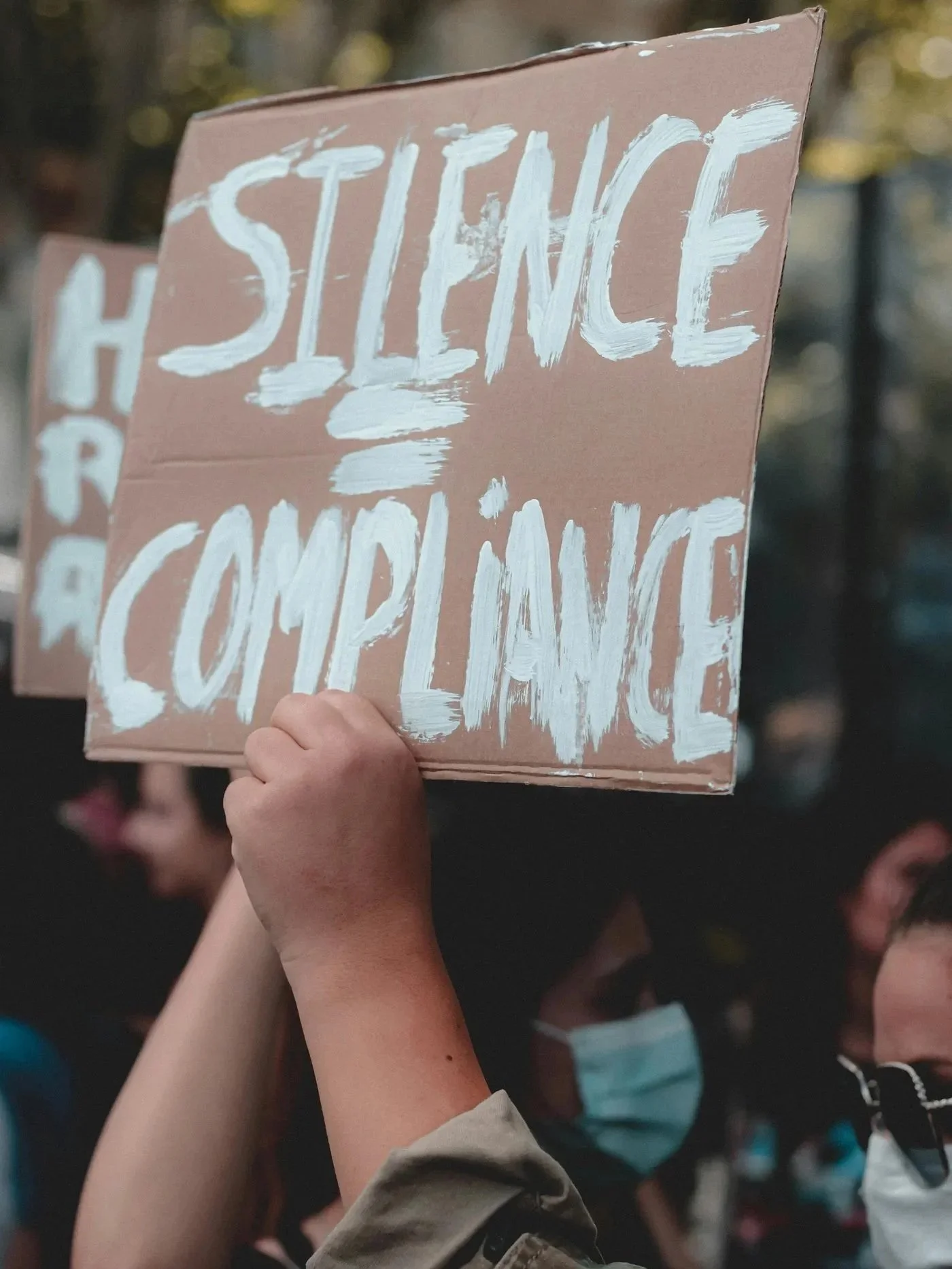
For those of us passionate about justice, equity, and humanity, the instinct to take action is tightly tied not only to our values, but to our identity. We know that, “Injustice anywhere is a threat to justice everywhere.”¹ For us, not acting can sometimes feel painful and disorienting — as if we are complicit to or condoning the harm. That said, experience shows us, time and time again, that acting without forethought (and sometimes even with it) can increase and compound the problems and risks of harm that people face, including ourselves. These seeming contradictions are a difficult reality to navigate.
The key word here is reality. If the reality of the situation tells us a person abusing power is not available to critical feedback, or that they are likely to respond in unskillful and hazardous ways, then another wise pause is warranted. A different strategy and approach to protecting who/what we love is required.
The risks described above clearly expose why so many people are conflict adverse. I get it. And I agree — we need to strategically pick our battles OR we need to design plans of actions that are thoughtful and wise. It is important to state that there are thoughtful and wise strategies available other than direct confrontation, ones that are sometimes more effective. And before we can imagine them, we first must soberly acknowledge and accept the often painful and unfair dynamics of power and risk.
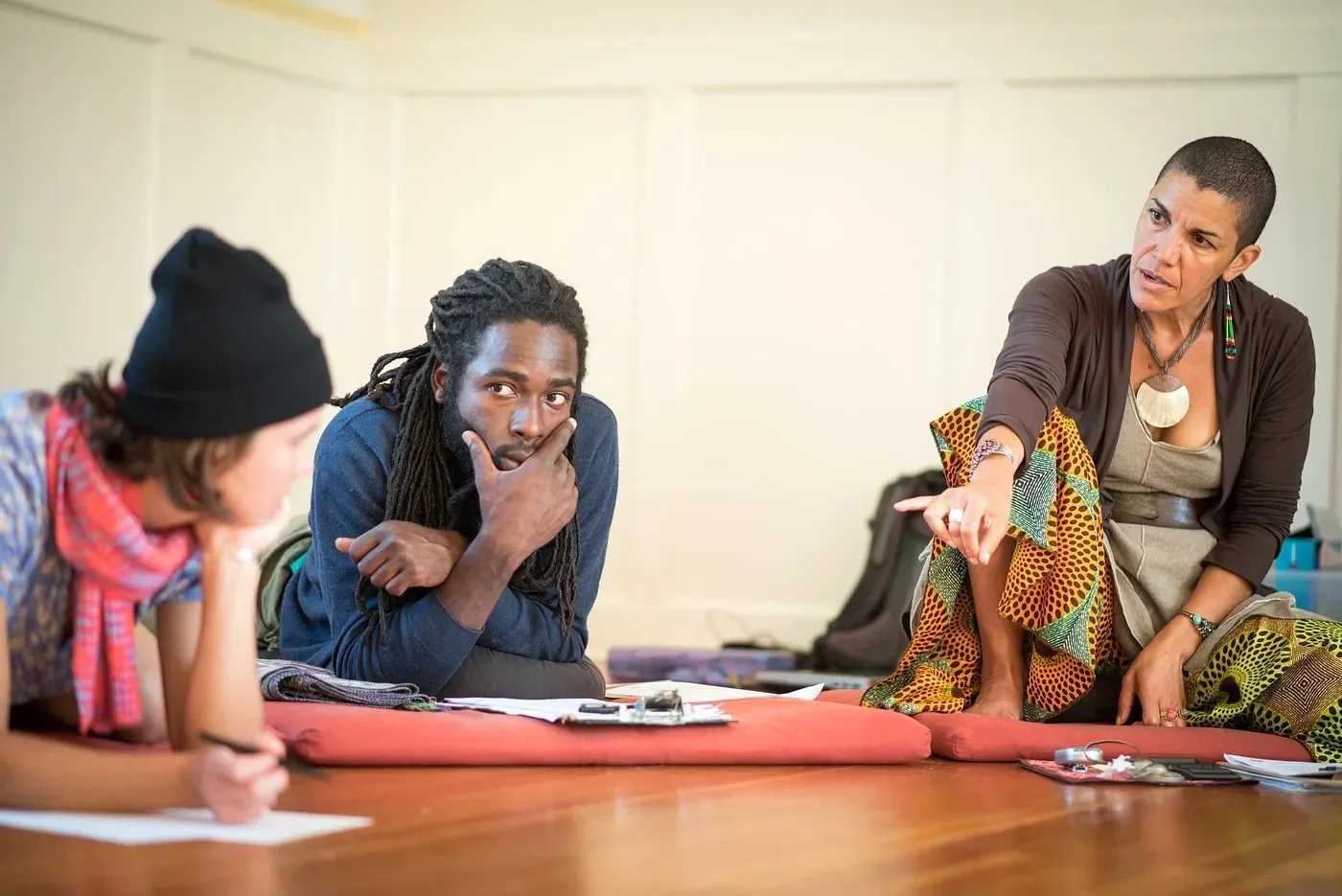
As we develop our strategies in response to the relational tensions that arise in our lives, some of the most important questions each and everyone one of us should be asking ourselves are: What is the purpose of engaging in this conflict? What changes am I hoping for? Are they essential? Do they seem possible?
If your answer to these questions are: I want to be right. I want the other person to feel like crap. I want to be recognized for my courageous confrontation of power. Then I encourage you to pause and reflect on your motivations.
If your answer is more akin to: I want this person to recognize the (hopefully unintended) impact of their behaviors on their team and how it impacts trust, creativity, innovation, and collaboration. I want them to recognize the opportunity in changing this impact, and to feel excited and supported to change the structures, beliefs and behaviors creating this dynamic. I want this leader to know I am calling them in, not out. I want more trust to be generated between us as a result of this exchange. I want more trust generated within the whole team.
Then you are one of us — an innovator of yes-and, win-win relationship building, an advocate of collective liberation, a weaver, builder, facilitator, and organizer of radical collaboration and change. Thank you for embodying your/our values. Thank you for your rigorous pursuit of integrity. Thank you for your humility, courage, and vulnerability. Together, we can create the world, teams, families, and communities we all deserve.
Let’s build together. Identify yourself in the comments below. Let’s share our stories, offerings, resources, and best practices.
Offerings:
Check out my upcoming webinar Accounting for Power & Risk Differentials, on Thursday, July 9th, from the Conflict as Opportunity webinar series, if you are interested in deepening your understanding of these power and risk dynamics or starting to explore some of the other strategies available to us. I look forward to seeing you there.
Recommended Resources:
A former client and member of our Community of Practice, Karla Monterroso of Brava Leaders, writes a lot about power in her blog. Her perspective is nuanced and sophisticated — in other words it is based in reality. All of her posts are potent. And these two feel particularly relevant to this blog: Are Leaders Responsible for Emotional Labor? and The Insulation of Power
A much respected colleague, Mala Nagarajan, in collaboration with Richael Faithful, created Equitable Compensation, a website to help people set up compensation structures that are aligned with their equitable values.
Footnote 1: King, Martin Luther Jr., “Letter from a Birmingham Jail,” Black Past, https://blackpast.org/african-american-history/1963-martin-luther-king-jr-letter-birmingham-jail/