

The Get Free Approach
Miakoda’s work is built on a simple and countercultural premise: conflict and tension are not problems to be managed—they are the very terrain where trust, collective power, and liberation are built.
Through structures, tools, practices, and reframed beliefs, Miakoda helps leaders embody discomfort with emotional-social intelligence, skillfulness, and grace. As this embodied intelligence becomes second nature, and integrates into the fabric of the group culture and operating structures, the relational tensions that were once dreaded and avoided begin presenting themselves as opportunities for radical forms of collaboration– where diverse needs intersect, accountability is mutual, and collective power grows.
This work moves across three interconnected layers:
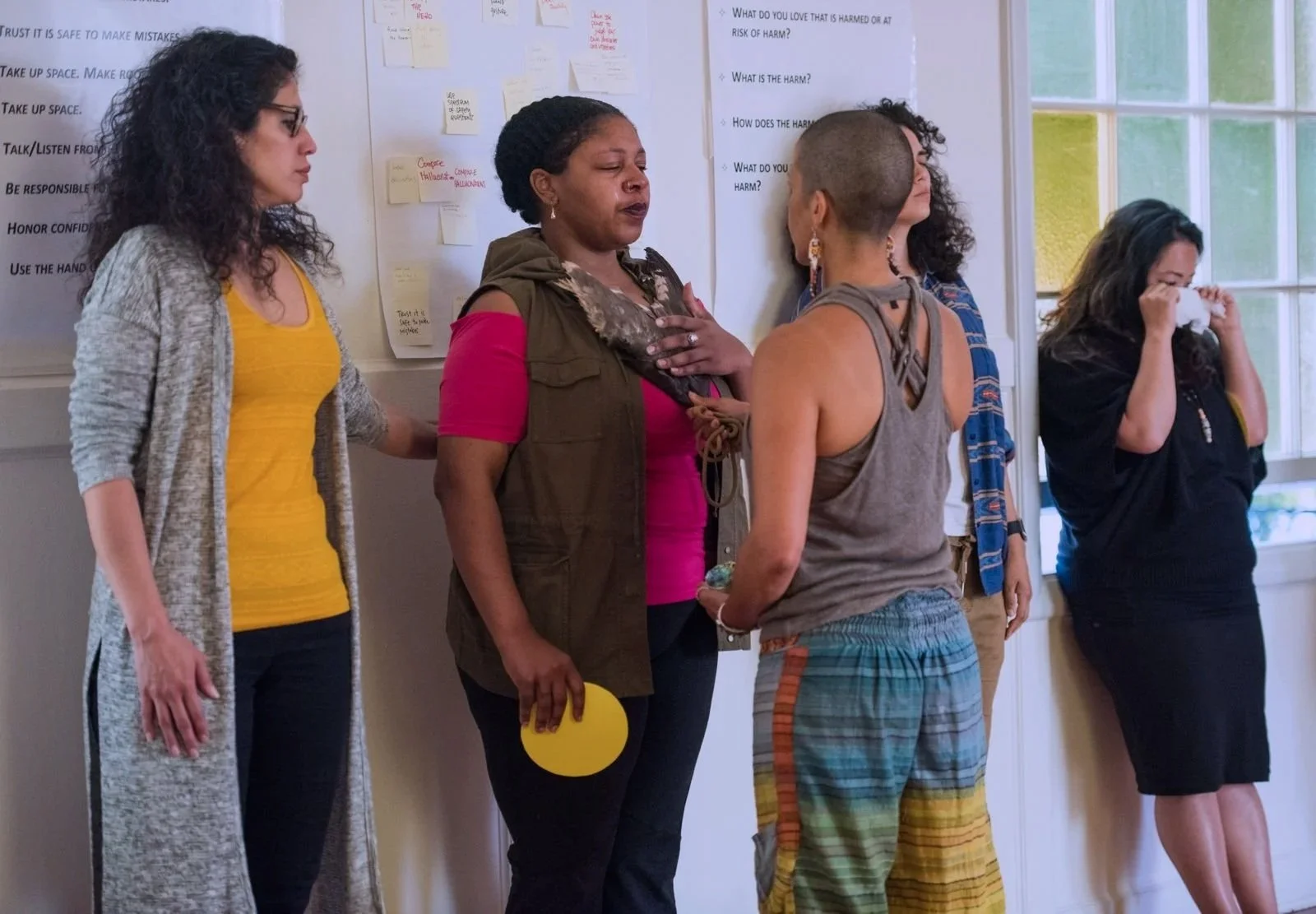
Miakoda has developed a suite of practices, including The Dignity Practice, Spectrum of Safety, Memoir of Power, and F*ck Safety, that are designed to support people carrying grief, rage, fear, and shame to stay skillfully in the body, in relationship, and in the conversation when things get hard. They also increase their capacity to generate dignity in the presence of uncomfortable feedback, set and maintain healthy boundaries, and choose wise strategies over reactive, trauma-driven defaults.
When practiced individually, this increased somatic-social-emotional intelligence becomes second nature, and more skillful, accountable, and authentic leadership emerges. As leaders practice collectively, teams begin operating as thriving ecosystems that gracefully engage tensions and discomfort as opportunities for growing trust and leveraging collective power for change.
Healing & Somatic Practices
Navigating Power & Conflict
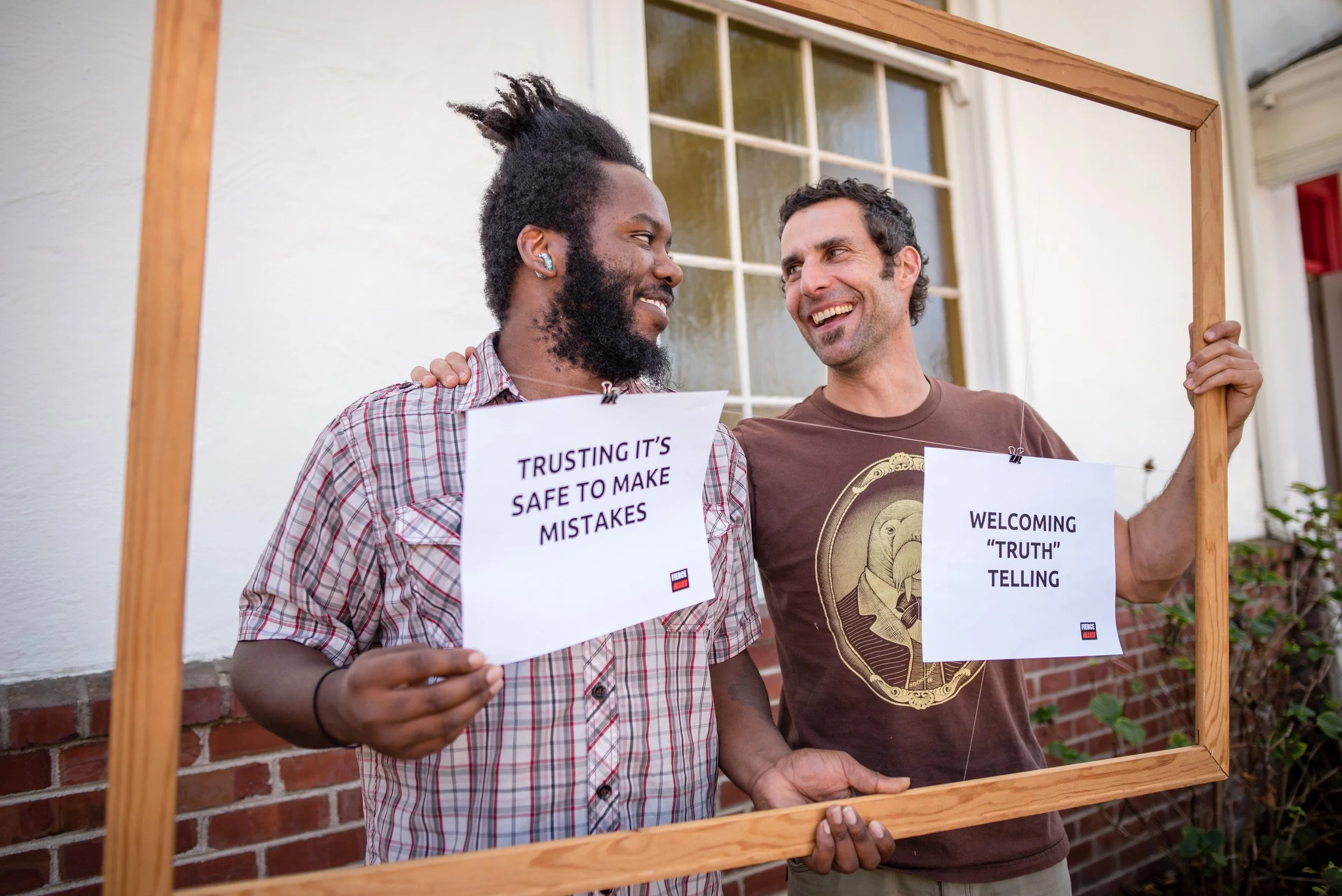
At the start of every engagement, Miakoda helps teams map the power dynamics at play within their group and create explicit structures for naming and working through tensions rather than suppressing them.
Tools like the Memorandum for Mutual Accountability, and practices like Mapping the Landscape of Power and Building Collaborative Power, embed the shared language and frameworks necessary to hold ourselves and each other generatively (not punitively) accountable.
This is how tensions start to transform and when organizations start to truly embody their talk on equity, power, and liberation.
Team Management &
Leadership Development
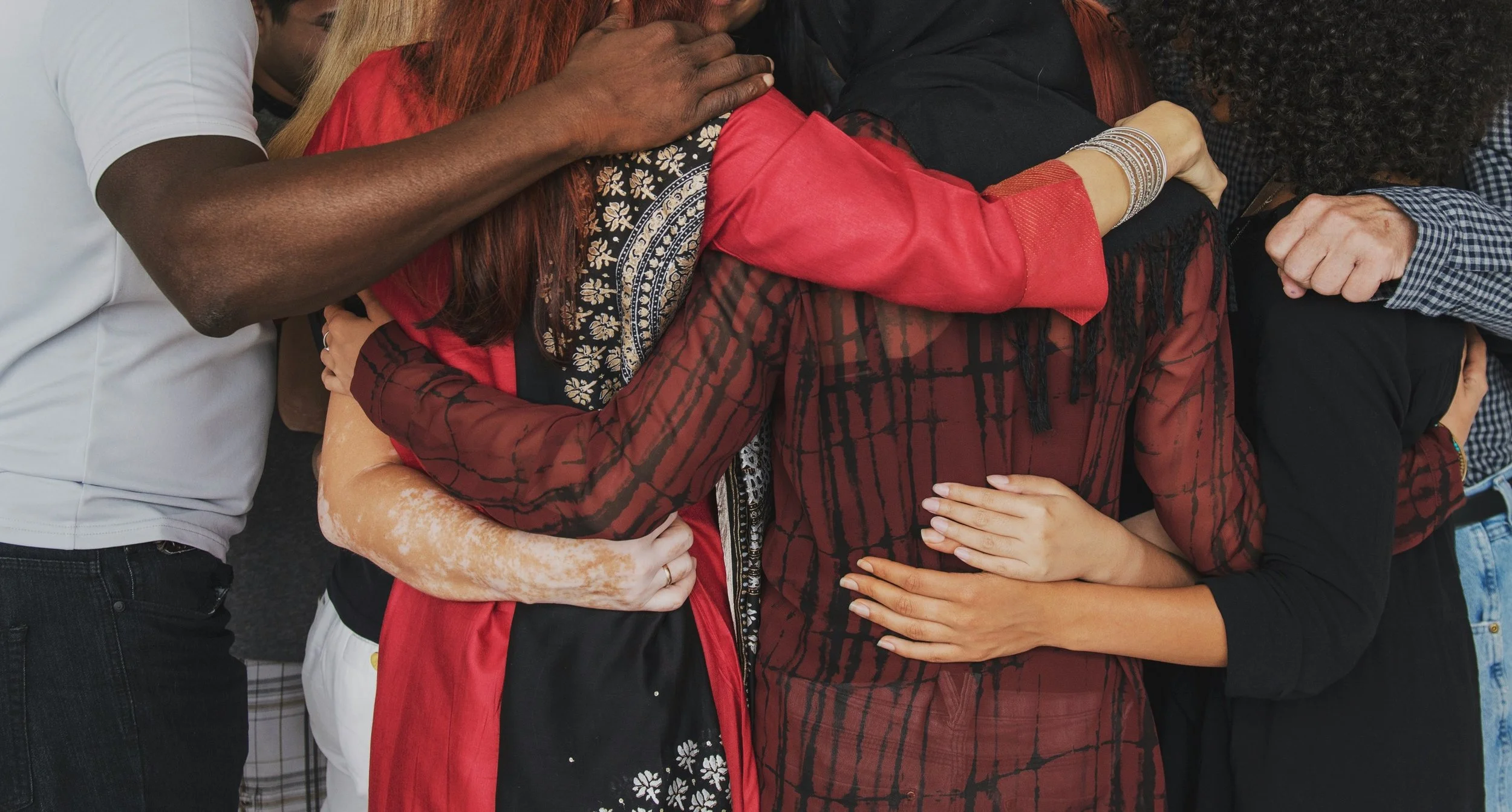
This is where the individual somatic practices and the power and conflict tools come together and get practiced collectively in a Community of Practice. This is when the culture begins to shift.
Through the use of these shared tools, practices, languages, and values, teams move from competing interests and hierarchical patterns toward ways of working that center relationships, embrace conflict as opportunity, and distribute power responsibly. The outcome is not a fixed destination but a living, adaptive ecosystem—one where radical collaboration becomes not an aspiration, but an embodied reality strengthened by daily practice.